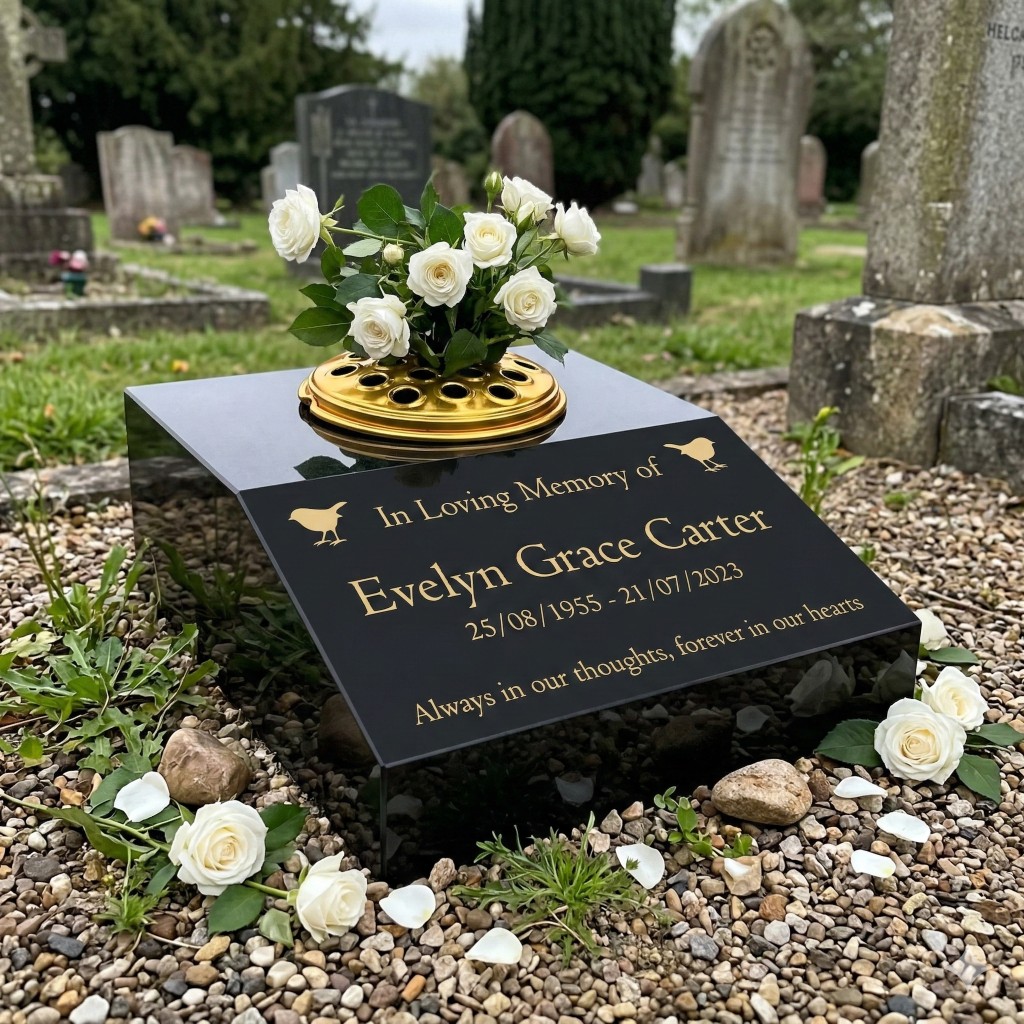

Granite grave vases: choosing a flower holder for a headstone
A granite vase can hold flowers on a new or existing memorial, but cemetery rule...
Need help choosing? Try our Memorial StudioNeed help choosing?
Create A MemorialCreate Memorial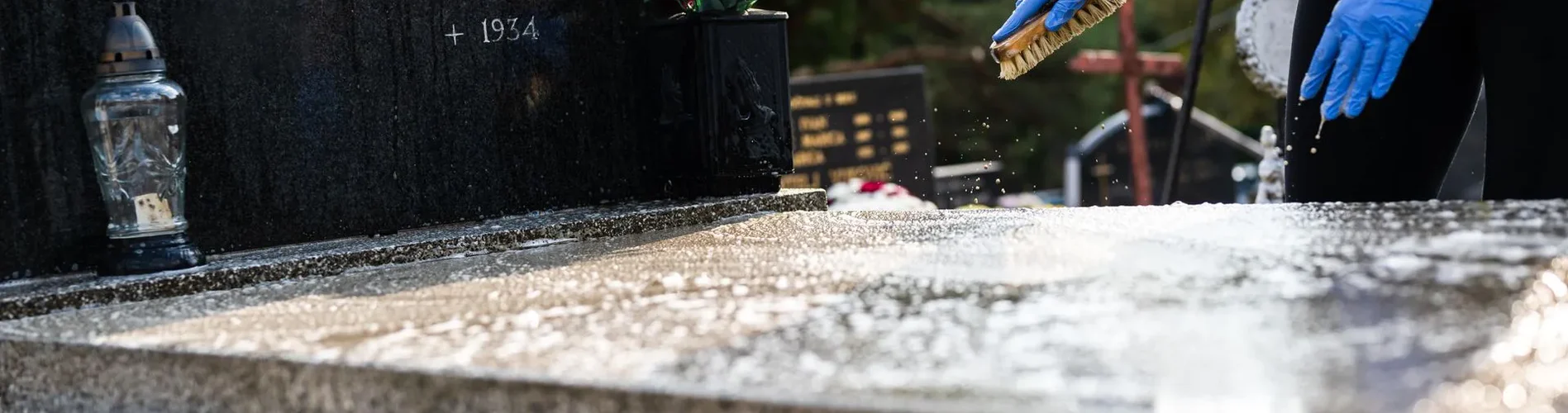
Reflections by Sandalwood
Maintaining a headstone is essential to preserving the memory of a loved one. Over time, exposure to the elements can leave headstones dull, stained, or covered in debris. This guide will walk you through the process of cleaning different types of headstones, ensuring they remain in top condition for years to come.
Headstones are a lasting tribute to those who have passed away, yet they endure harsh weather, biological growth, and pollution. Cleaning a headstone not only preserves its aesthetic appeal but also ensures that the engravings remain legible. Regular cleaning helps prevent deterioration and honours the memory of the deceased by keeping their resting place clean and well-maintained.
Gather the following items before you start:
Avoid metal tools, hard-bristled brushes, or any cleaning products that contain bleach, vinegar, or ammonia, as these can damage the stone.
Different types of headstone materials require different approaches. Follow these tailored instructions to ensure safe and effective cleaning.
Granite is a durable, low-porosity stone commonly used in headstones. Although robust, granite still benefits from gentle cleaning techniques.
Marble is softer and more porous than granite, making it more susceptible to scratches and stains. Use extra care when cleaning marble.
Both limestone and sandstone are soft and highly porous stones. Their texture can retain dirt and moisture, making them prone to weathering.
Slate is slightly more durable than limestone but can still chip or flake under improper cleaning.
Maintaining headstones goes beyond occasional cleaning. Regular upkeep preserves their appearance and durability. Here’s how:
Leaves, petals, and moss can stain the stone, especially in porous materials. Regularly brushing off plant material reduces staining.
For best results, clean headstones every six months. This prevents dirt build-up and minimises moss and algae growth.
Inspect headstones yearly for cracks, leaning, or loose sections. Engaging a professional for repair helps avoid worsening damage.
For comprehensive memorial restoration, Sandalwood Memorials provides exceptional cleaning and repair services, particularly in London and surrounding areas. Their expert team offers everything from detailed headstone cleaning to full restoration services. Using specialised techniques, Sandalwood Memorials can remove dirt, moss, and weather stains, restoring headstones to their original condition. Additionally, they re-gild, re-paint, or re-lead inscriptions that may have faded over time, ensuring the lettering remains clear and elegant. For headstones that have become unstable due to ground movement or age, their stonemasons are skilled in re-fixing and securing these memorials.
Applying a stone-specific sealant to granite headstones (if permitted by the cemetery) provides extra protection against the elements. Avoid sealing softer stones like marble, as they need to remain breathable.
Cleaning a headstone is a respectful way to maintain the legacy of a loved one. By following the steps outlined in this guide, you can preserve the appearance and durability of various headstone materials. Remember, each type of stone requires a unique approach, so always check the stone material and avoid harsh chemicals to prevent damage. Regular care and attention will help keep headstones in pristine condition, honouring the memory of those laid to rest.
We use essential, analytics and conversion measurement cookies so we can respond to enquiries and understand how the site is used. Choose Accept All if you are happy for us to also use cookies for personalised advertising. Read our cookie and privacy information